Vision Problems in Children: Signs Your Child May Need an Eye Test
Children’s eyes are constantly developing, and many vision problems can go unnoticed for years. If a child has experienced poor vision from a young age, they often assume that what they see is normal. This is why regular eye care and awareness from parents and grandparents is so important.
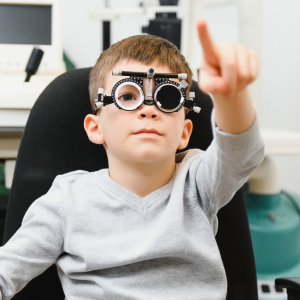
At Conways Opticians, we recommend that children have an eye test at least once a year. A routine children’s eye test allows us to check eye health, ensure vision is developing correctly, and detect any issues early when treatment is most effective.
Below are some common signs of vision problems in children that may indicate it’s time to book an eye test.
Common Signs of Vision Problems in Children
Misaligned Eyes
If your child’s eyes do not appear to be looking in the same direction, this may be a sign of eye misalignment (strabismus). Without treatment, this can lead to reduced vision or a lazy eye. Early detection during a children’s eye test can prevent long-term problems.
Head Tilting
Consistently tilting the head to see objects more clearly may indicate an issue with eye alignment or vision clarity. In some cases, it may also be linked to a drooping eyelid that interferes with sight.
Squinting
Squinting is a common sign that a child is struggling to focus. It temporarily improves vision but often suggests that glasses may be needed to correct a refractive error.
Covering One Eye
If your child frequently covers or closes one eye, it could mean that one eye has weaker vision than the other. Early treatment can help strengthen the weaker eye and prevent long-term vision loss.
Headaches and Eye Strain
Unexplained headaches in children are often linked to vision problems. When children’s eyes have to work harder to focus, this can cause eye strain, discomfort, and headaches.
Excessive Eye Rubbing
While occasional eye rubbing is normal, frequent rubbing can indicate eye strain or visual fatigue and should be checked during a children’s eye test.
Sitting Too Close to the TV or Holding Devices Close
Short-sightedness (myopia) is increasingly common in children. Sitting very close to screens or holding books and devices close to the face may be a sign that your child is struggling to see clearly at a distance.
Reading Difficulties
Skipping lines, losing their place, tiredness when reading, or complaints that text appears to move can be signs of visual stress. Some children benefit from specialist assessments that identify whether coloured backgrounds or overlays can help make reading more comfortable.
Clumsiness
Bumping into objects, misjudging distances, or struggling to pick things up can sometimes be related to vision problems rather than coordination issues.
Difficulty Concetrating at School
What may seem like behavioural issues or a short attention span can often be linked to poor vision. Children who can’t see clearly may struggle to focus on lessons, reading, or writing tasks.
Why Children’s Eye Tests Are So Important
Under the NHS Children’s Eye Tests are Free! There’s no reason not to have an eye examination.
Listening to your child is key. Many children tell adults that they can’t see properly, but their concerns are sometimes dismissed. Identifying vision problems early gives children the best chance of developing strong, healthy eyesight.
A regular children’s eye test at Conways Opticians allows us to monitor the health of your child’s eyes, identify any vision issues early, and provide the right treatment or correction if needed.
Your child’s eyesight plays a vital role in their learning, confidence, and overall wellbeing. Booking an annual eye test helps ensure their vision supports them at every stage of development.
If you’d like to find out more about children’s eyes or book a children’s eye test, the team at Conways Opticians is always happy to help.