Why Every Child Needs an Eye Test: A Parent’s Guide
Did you know that around 1 in 5 children has an undetected vision problem? Children’s eye tests are one of the most important and most overlooked health checks for growing kids.
Why Children’s Eye Tests Matter
Children rarely complain about poor vision because they assume everyone sees the way they do. Undiagnosed issues like short-sightedness, long-sightedness, astigmatism or lazy eye (amblyopia) can quietly affect reading, concentration and confidence at school. In fact, up to 80% of a child’s learning is visual so healthy eyes are essential for healthy development.
When Should Children Have Their First Eye Test?
At Conways Opticians we recommend a first full eye test at around age 3–4, before starting school, and then every one to two years after that. Early detection is key: conditions like lazy eye are far easier to treat before the age of 7 years.
Signs Your Child May Need an Eye Test
Sitting too close to the TV or holding books close
Frequent headaches or eye rubbing
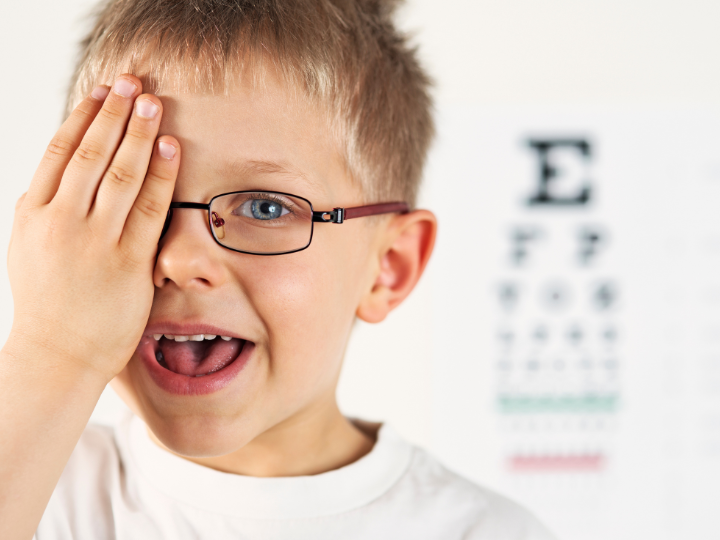
Squinting or covering one eye
Struggling with reading or losing their place
Clumsiness or poor hand-eye coordination
Even without symptoms, regular check-ups matter — many childhood eye conditions show no obvious signs.
Children’s Eye Tests Are Free on the NHS
Under-16s (and under-19s in full-time education) qualify for free NHS eye tests and a voucher towards glasses — so there’s no cost barrier to protecting your child’s sight.
A children’s eye test is quick, painless and can even feel like a game. Give your child the best start this school year — book their eye test at your local Conways Opticians branch today.
Worried About Short-Sightedness? Ask About Myopia Management
Childhood myopia (short-sightedness) is rising fast, and it typically worsens as children grow. The good news? Modern myopia management, including specialist lenses and contact lenses can slow its progression and protect your child’s long-term eye health. Click here to learn more on our dedicated myopia management page and ask about it at your child’s next eye test.